Prostate Specialist Sydney
The prostate is a walnut-sized gland located just below the bladder in men. It is a crucial part of the male reproductive system. Maintaining prostate health is important for overall well-being, as the prostate can be prone to various conditions that can impact urinary and sexual functions.
Common Prostate Conditions:
Benign Prostatic Hyperplasia (BPH): BPH is a non-cancerous condition where the prostate gland enlarges as men age. It can lead to urinary symptoms such as increased frequency of urination, weak urine flow, and difficulty starting and stopping urination. BPH is a common condition in older men but does not necessarily indicate an increased risk of prostate cancer.
Prostatitis: Prostatitis refers to the inflammation of the prostate gland, often caused by bacterial infections. Symptoms include pain or discomfort in the pelvic region, difficulty urinating, and sometimes fever and chills. Prostatitis can be acute (sudden onset) or chronic (lasting for several months).
Prostate Cancer: Prostate cancer is one of the most common cancers in men. It typically grows slowly and may not cause symptoms in its early stages. Regular screenings, including a digital rectal exam (DRE) and a prostate-specific antigen (PSA) blood test, are recommended for early detection. Treatment options vary based on the cancer’s stage and aggressiveness.
Maintaining Prostate Health:
Healthy Diet: A diet rich in fruits, vegetables, whole grains, and lean proteins is beneficial for overall health, including prostate health. Some studies suggest that diets high in certain nutrients like lycopene (found in tomatoes) and selenium (found in nuts and seeds) might contribute to a lower risk of prostate issues.
Regular Exercise: Engaging in regular physical activity has been associated with a reduced risk of BPH and prostate cancer. Exercise helps maintain a healthy weight and promotes overall cardiovascular health.
Hydration: Staying adequately hydrated is important for maintaining urinary tract health. Proper hydration can help prevent urinary tract infections that might lead to prostatitis.
Moderate Alcohol Consumption: Excessive alcohol consumption has been linked to an increased risk of prostate problems, including prostate cancer. Moderation is key.
Regular Check-ups: Men should have regular medical check-ups, especially as they age, to monitor their prostate health. Doctors can perform screenings and recommend appropriate actions if any issues are detected.
Prostate Health and Aging
Prostate health is closely tied to the aging process. As men grow older, the risk of developing prostate-related issues increases. Here are some important considerations regarding prostate health and aging:
Screening Guidelines:
Digital Rectal Exam (DRE): This physical exam involves a doctor checking the size, shape, and consistency of the prostate by inserting a gloved finger into the rectum. DRE is often performed as part of routine check-ups and can help detect abnormalities. The more modern PSA blood test was thought to be a replacement for this DRE test, but many doctors presently recommend both.
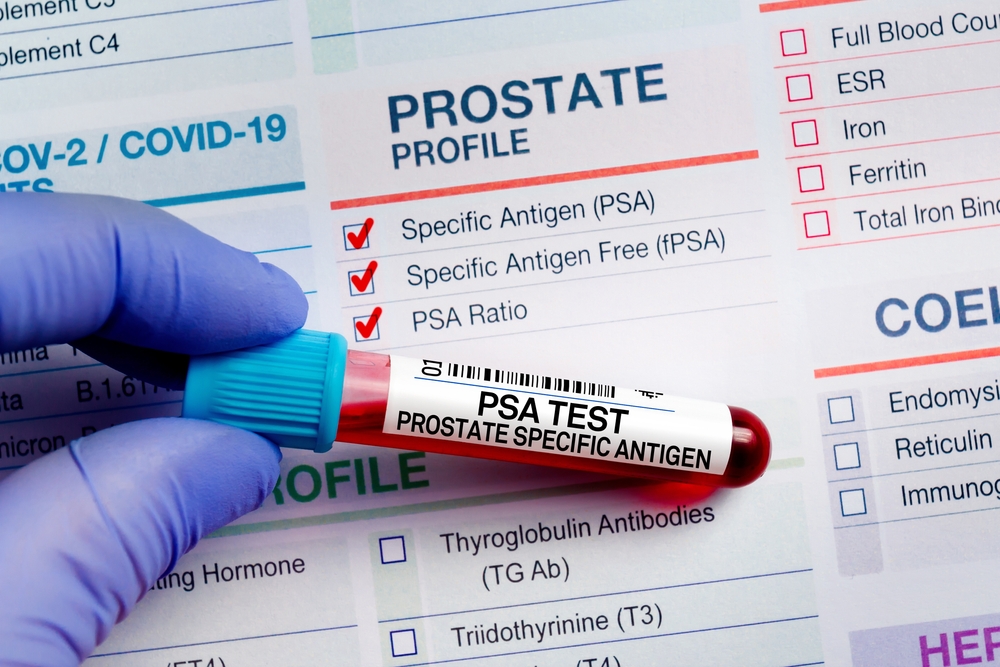
Prostate-Specific Antigen (PSA) Test: The PSA blood test measures the level of PSA, a protein produced by the prostate gland, in the bloodstream. Elevated PSA levels could indicate various prostate conditions, including cancer. However, PSA levels can be influenced by factors other than cancer, and further testing is needed to confirm any issues.
Challenges and Controversies:
Overdiagnosis and Overtreatment: Prostate cancer screening has been a topic of debate due to concerns about overdiagnosis (detecting cancers that may never cause harm) and overtreatment (treating cancers that may not require intervention). Balancing the benefits of early detection with the risks of unnecessary treatment is a challenge.
Individualized Care: Prostate health is not a one-size-fits-all scenario. Factors such as family history, race, and overall health influence an individual’s risk and appropriate screening frequency.
Prostate Cancer Specialist Sydney Adventist Hospital
Maintaining prostate health is an essential aspect of men’s overall well-being. Regular check-ups, adopting a healthy lifestyle, and being aware of potential symptoms are crucial steps to prevent or manage prostate-related conditions. While aging increases the risk of prostate issues, early detection and appropriate medical guidance can significantly improve outcomes. As medical understanding evolves, it’s important for men to stay informed about the latest guidelines and recommendations related to prostate health.
Information Disclaimer
The content of this article is meant for informational purposes only and should not be considered a source of professional advice, recommendations, or endorsements. It is not a substitute for seeking expert guidance or making well-informed decisions based on individual circumstances. Although we strive for accuracy and reliability, we cannot guarantee the information's completeness or suitability for all situations. Readers are urged to verify facts, consult experts, and consider their own context before taking actions or decisions based on this content. No warranties, explicit or implied, are provided regarding the accuracy, timeliness, or completeness of the presented information. Relying on this information is at the reader's own discretion and risk. We encourage readers to consult relevant professionals or experts for advice tailored to their specific needs. Neither the author, publisher, nor any affiliated parties will be held responsible for errors, omissions, or damages resulting from the use or reliance on the information in this article.