Understanding Kidney Stones and Bladder Stones: Facts, Causes, Prevention, and Treatment
Kidney stones and bladder stones are common urological conditions that can cause significant discomfort and distress. In this blog, we will delve into the facts surrounding these conditions, exploring their definitions, causes, risk reduction strategies, and treatment options, offering valuable insights for individuals seeking information on urological health.
Kidney Stones:
Definition:
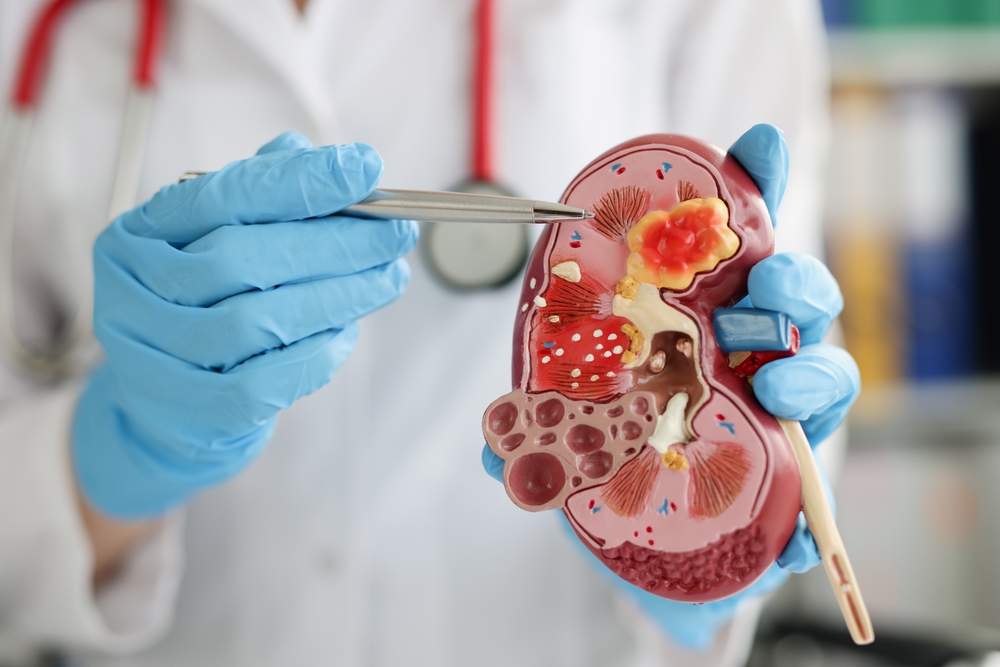
Kidney stones are hard deposits that form in the kidneys when there is an accumulation of minerals and salts in the urine. These deposits can range in size from a grain of sand to larger, more obstructive structures.
Causes:
Dehydration: Insufficient fluid intake can lead to concentrated urine, promoting the formation of kidney stones.
Dietary Factors: High levels of calcium, oxalate, and certain proteins in the diet can contribute to stone formation.
Medical Conditions: Conditions like hyperparathyroidism and urinary tract infections may increase the risk.
Risk Reduction:
Stay Hydrated: Drinking an adequate amount of water helps prevent the concentration of minerals in the urine.
Balanced Diet: Moderating the intake of high-oxalate foods and maintaining a well-balanced diet can reduce the risk.
Regular Monitoring: Individuals with a history of kidney stones should undergo regular check-ups to identify and address risk factors.
Treatment:
Small stones may sometimes pass on their own with increased fluid intake and pain management.
Larger stones may require medical intervention, such as shock wave lithotripsy, ureteroscopy, or surgical removal.
Bladder Stones:
Definition:
Bladder stones are mineralized formations that develop in the bladder when minerals in urine crystallize and clump together.
Causes:
Incomplete Bladder Emptying: Inability to completely empty the bladder can lead to the formation of bladder stones.
Urinary Tract Infections: Persistent infections may result in the crystallization of minerals, forming stones.
Enlarged Prostate: Men with an enlarged prostate may experience incomplete bladder emptying, increasing the risk of stone formation.
Risk Reduction:
Adequate Emptying: Ensuring complete emptying of the bladder during urination helps prevent stone formation.
Treating Infections: Prompt treatment of urinary tract infections reduces the risk of stone development.
Managing Prostate Issues: Men with an enlarged prostate should seek medical guidance to address bladder emptying concerns.
Treatment:
Small bladder stones may pass on their own, but medical intervention may be required for larger stones.
Treatment options include cystolitholapaxy (stone removal), medications, or addressing underlying causes.
Understanding the facts surrounding kidney stones and bladder stones is crucial for effective prevention and management. Lifestyle modifications, proper hydration, and timely medical intervention are key components of reducing the risk and ensuring optimal urological health. For individuals experiencing symptoms or at risk of these conditions, seeking guidance from a urologist is essential for personalized care and treatment.
Information Disclaimer
The content of this article is meant for informational purposes only and should not be considered a source of professional advice, recommendations, or endorsements. It is not a substitute for seeking expert guidance or making well-informed decisions based on individual circumstances. Although we strive for accuracy and reliability, we cannot guarantee the information's completeness or suitability for all situations. Readers are urged to verify facts, consult experts, and consider their own context before taking actions or decisions based on this content. No warranties, explicit or implied, are provided regarding the accuracy, timeliness, or completeness of the presented information. Relying on this information is at the reader's own discretion and risk. We encourage readers to consult relevant professionals or experts for advice tailored to their specific needs. Neither the author, publisher, nor any affiliated parties will be held responsible for errors, omissions, or damages resulting from the use or reliance on the information in this article.