Looking After Women’s Urological Health

Urologist Hornsby

Nurturing Women’s Urological Health: A Comprehensive Guide


Women’s urological health is a vital aspect of overall well-being, yet it’s often under-discussed. These are many key considerations, preventive measures, and available treatments for common urological issues affecting women, including urinary incontinence, pelvic organ prolapses, and urinary tract infections.


Understanding Women’s Urological Health


Urinary Incontinence: Causes, Types, and Management

Delve into the causes and types of urinary incontinence, shedding light on lifestyle adjustments, pelvic floor exercises, and medical interventions that empower women to manage and overcome this prevalent urological concern.


Pelvic Organ Prolapse: Recognizing Symptoms and Seeking Solutions

Explore the symptoms of pelvic organ prolapse, offering insights into both conservative and surgical treatment options. This section empowers women to recognize and address pelvic floor issues for enhanced quality of life.


Urinary Tract Infections: Prevention and Timely Management

Provide practical tips for preventing urinary tract infections (UTIs), addressing hygiene practices, and discussing the importance of prompt medical attention. Empower women with knowledge to minimize the recurrence of UTIs.


Preventive Measures for Women’s Urological Health


Pelvic Floor Exercises: Strengthening the Core

Detail the significance of pelvic floor exercises in promoting urological health. Offer step-by-step guidance on exercises that help strengthen the pelvic floor muscles, reducing the risk of incontinence and pelvic organ prolapse.


Hygiene Habits: A Foundation for UTI Prevention

Discuss effective hygiene practices to prevent urinary tract infections, emphasizing the importance of proper cleansing techniques and the role of hydration in maintaining a healthy urinary system.


Treatment Options for Women’s Urological Concerns


Medical Interventions

Exploring Options for Incontinence and Prolapse

Outline available medical interventions for urinary incontinence and pelvic organ prolapse, discussing the benefits and considerations associated with treatments such as medications, pessaries, and surgical procedures.


UTI Management: Antibiotics and Beyond

Shed light on the importance of prompt antibiotic treatment for urinary tract infections, along with complementary measures such as increased fluid intake and preventive strategies to reduce the risk of recurrent infections.


Conclusion


Our Urologist in Hornsby prioritises women’s urological health. This involves understanding, prevention, and timely intervention. By addressing common concerns like urinary incontinence, pelvic organ prolapses, and urinary tract infections, women can take proactive steps toward maintaining a healthy and resilient urological system.

The Threat of Urological Cancer

Urologist Hornsby

Urological cancers encompass a range of conditions affecting vital organs. A urologist’s role is pivotal in diagnosis, treatment, and ongoing care for patients facing prostate cancer, kidney cancer, bladder cancer, ureteric cancer, adrenal cancer, testicular cancer, and penile cancer. Let’s delve into each condition and shed light on the urologist’s crucial role in managing these cancers.

Prostate Cancer

The most common cancer in men, early detection through screenings is crucial. Treatment options include surgery, radiation, hormone therapy, or active surveillance.

Kidney Cancer

Often detected incidentally, treatment may involve surgery to remove the tumour or the entire kidney. Targeted therapies and immunotherapy are additional options.

Bladder Cancer

Diagnosis involves imaging and cystoscopy. Treatment varies, including surgery, chemotherapy, immunotherapy, or a combination, depending on the cancer’s stage.

Ureteric Cancer

Ureteric cancer, though rare, may require surgery to remove affected portions. Chemotherapy or immunotherapy may be recommended in certain cases.

Adrenal Cancer

Surgery is the primary treatment for adrenal cancer. Additional therapies may be considered based on the cancer’s characteristics.

Testicular Cancer

Rapid diagnosis and treatment are essential. Options include surgery, chemotherapy, and radiation therapy, depending on the cancer’s type and stage.

Penile Cancer

Treatment involves surgery to remove the cancerous tissue. Lymph node dissection or radiation therapy may be recommended based on the cancer’s stage.

The Urologist’s Role

• Early Detection – Conducting screenings and diagnostic tests.
• Treatment Planning – Developing personalized treatment plans.
• Surgery – Performing surgical procedures when necessary.
• Follow-Up Care – Providing ongoing monitoring and support.

How are the Conditions Treated?

Treatment approaches vary, including surgery, radiation therapy, chemotherapy, immunotherapy, and targeted therapies. The urologist collaborates with oncologists to determine the most effective treatment strategy for each patient.

Robotic Surgery

Robotic Surgery Macquarie

Exploring the Advancements in Surgery: A Look into Robotic Surgery


In recent years, the field of surgery has witnessed remarkable technological advancements, and one of the most notable breakthroughs is the integration of robotics into the surgical process. Robotic surgery has become a revolutionary tool in the hands of skilled surgeons, transforming the landscape of various medical procedures.


Understanding Robotic Surgery


Robotic surgery, also known as robot-assisted surgery, involves the use of robotic systems to assist surgeons in performing intricate procedures with precision. The primary components of a robotic surgical system include a console, robotic arms, and a set of instruments controlled by the surgeon. This technology allows for minimally invasive procedures, where small incisions are made, leading to reduced trauma and faster recovery times.


Applications of Robotic Surgery


Minimally Invasive Procedures

Robotic surgery is particularly advantageous for procedures that traditionally required large incisions. It allows surgeons to perform complex surgeries with smaller, more precise incisions, resulting in less scarring and reduced pain for patients.


Cardiac Surgery

Robotic systems are increasingly being used in cardiac surgeries, including valve repairs and coronary artery bypass surgeries. The precision of robotic instruments enhances the surgeon’s ability to navigate delicate cardiac structures.


Gastrointestinal Surgery

Robotic surgery has found applications in gastrointestinal procedures such as colorectal surgery and gastric bypass. The enhanced dexterity of robotic instruments facilitates intricate manoeuvres in tight spaces.


Urological Surgery

Prostatectomies and kidney surgeries are commonly performed using robotic systems. The robotic arms provide exceptional precision, reducing the risk of damage to surrounding tissues.


Gynaecological Procedures

Robotic surgery is employed in various gynaecological surgeries, including hysterectomies and myomectomies. The minimally invasive approach results in shorter hospital stays and quicker recovery for patients.


Benefits of Robotic Surgery


Precision and Accuracy

The robotic system provides surgeons with a high level of precision and accuracy, allowing for meticulous control during surgery.


Minimally Invasive

The use of smaller incisions reduces trauma to the surrounding tissues, leading to less pain, minimal scarring, and faster recovery times.


Enhanced Visualization

High-definition 3D imaging systems provide surgeons with a detailed and magnified view of the surgical site, aiding in precise navigation.


Reduced Blood Loss

The minimally invasive nature of robotic surgery often results in reduced blood loss during procedures.


Quicker Recovery

Patients undergoing robotic surgery typically experience shorter hospital stays and quicker recovery times compared to traditional open surgeries.


Considerations and Future Developments


While robotic surgery has shown immense promise, it’s essential to acknowledge the associated considerations. These include the initial costs of implementing robotic systems, the need for specialized training for surgeons, and ongoing advancements in technology and safety protocols.


As technology continues to evolve, the future of robotic surgery holds the promise of even more refined instruments, improved haptic feedback, and expanded applications across various surgical specialties. The ongoing collaboration between technology and medical expertise is paving the way for a new era in surgical precision and patient care.


In conclusion, robotic surgery is a transformative tool in modern medicine, offering numerous benefits to both surgeons and patients. As this technology continues to advance, it will likely play an increasingly prominent role in shaping the future of surgical practices, providing new avenues for innovation and improved patient outcomes.


Kidney Stones and Bladder Stones

Urologist Wahroonga Clinic

Understanding Kidney Stones and Bladder Stones: Facts, Causes, Prevention, and Treatment

Kidney stones and bladder stones are common urological conditions that can cause significant discomfort and distress. In this blog, we will delve into the facts surrounding these conditions, exploring their definitions, causes, risk reduction strategies, and treatment options, offering valuable insights for individuals seeking information on urological health.

Kidney Stones:

Definition:

Kidney stones are hard deposits that form in the kidneys when there is an accumulation of minerals and salts in the urine. These deposits can range in size from a grain of sand to larger, more obstructive structures.

Causes:

Dehydration: Insufficient fluid intake can lead to concentrated urine, promoting the formation of kidney stones.
Dietary Factors: High levels of calcium, oxalate, and certain proteins in the diet can contribute to stone formation.
Medical Conditions: Conditions like hyperparathyroidism and urinary tract infections may increase the risk.

Risk Reduction:

Stay Hydrated: Drinking an adequate amount of water helps prevent the concentration of minerals in the urine.
Balanced Diet: Moderating the intake of high-oxalate foods and maintaining a well-balanced diet can reduce the risk.
Regular Monitoring: Individuals with a history of kidney stones should undergo regular check-ups to identify and address risk factors.

Treatment:

Small stones may sometimes pass on their own with increased fluid intake and pain management.
Larger stones may require medical intervention, such as shock wave lithotripsy, ureteroscopy, or surgical removal.

Bladder Stones:

Definition:

Bladder stones are mineralized formations that develop in the bladder when minerals in urine crystallize and clump together.

Causes:

Incomplete Bladder Emptying: Inability to completely empty the bladder can lead to the formation of bladder stones.
Urinary Tract Infections: Persistent infections may result in the crystallization of minerals, forming stones.
Enlarged Prostate: Men with an enlarged prostate may experience incomplete bladder emptying, increasing the risk of stone formation.

Risk Reduction:

Adequate Emptying: Ensuring complete emptying of the bladder during urination helps prevent stone formation.
Treating Infections: Prompt treatment of urinary tract infections reduces the risk of stone development.
Managing Prostate Issues: Men with an enlarged prostate should seek medical guidance to address bladder emptying concerns.

Treatment:

Small bladder stones may pass on their own, but medical intervention may be required for larger stones.
Treatment options include cystolitholapaxy (stone removal), medications, or addressing underlying causes.

Understanding the facts surrounding kidney stones and bladder stones is crucial for effective prevention and management. Lifestyle modifications, proper hydration, and timely medical intervention are key components of reducing the risk and ensuring optimal urological health. For individuals experiencing symptoms or at risk of these conditions, seeking guidance from a urologist is essential for personalized care and treatment.

Prostate Health

Prostate Cancer Specialist Sydney Adventist Hospital

Prostate Specialist Sydney

The prostate is a walnut-sized gland located just below the bladder in men. It is a crucial part of the male reproductive system. Maintaining prostate health is important for overall well-being, as the prostate can be prone to various conditions that can impact urinary and sexual functions.

Common Prostate Conditions:

Benign Prostatic Hyperplasia (BPH): BPH is a non-cancerous condition where the prostate gland enlarges as men age. It can lead to urinary symptoms such as increased frequency of urination, weak urine flow, and difficulty starting and stopping urination. BPH is a common condition in older men but does not necessarily indicate an increased risk of prostate cancer.

Prostatitis: Prostatitis refers to the inflammation of the prostate gland, often caused by bacterial infections. Symptoms include pain or discomfort in the pelvic region, difficulty urinating, and sometimes fever and chills. Prostatitis can be acute (sudden onset) or chronic (lasting for several months).

Prostate Cancer: Prostate cancer is one of the most common cancers in men. It typically grows slowly and may not cause symptoms in its early stages. Regular screenings, including a digital rectal exam (DRE) and a prostate-specific antigen (PSA) blood test, are recommended for early detection. Treatment options vary based on the cancer’s stage and aggressiveness.

Maintaining Prostate Health:

Healthy Diet: A diet rich in fruits, vegetables, whole grains, and lean proteins is beneficial for overall health, including prostate health. Some studies suggest that diets high in certain nutrients like lycopene (found in tomatoes) and selenium (found in nuts and seeds) might contribute to a lower risk of prostate issues.

Regular Exercise: Engaging in regular physical activity has been associated with a reduced risk of BPH and prostate cancer. Exercise helps maintain a healthy weight and promotes overall cardiovascular health.

Hydration: Staying adequately hydrated is important for maintaining urinary tract health. Proper hydration can help prevent urinary tract infections that might lead to prostatitis.

Moderate Alcohol Consumption: Excessive alcohol consumption has been linked to an increased risk of prostate problems, including prostate cancer. Moderation is key.

Regular Check-ups: Men should have regular medical check-ups, especially as they age, to monitor their prostate health. Doctors can perform screenings and recommend appropriate actions if any issues are detected.

Prostate Health and Aging

Prostate health is closely tied to the aging process. As men grow older, the risk of developing prostate-related issues increases. Here are some important considerations regarding prostate health and aging:

Screening Guidelines:

Digital Rectal Exam (DRE): This physical exam involves a doctor checking the size, shape, and consistency of the prostate by inserting a gloved finger into the rectum. DRE is often performed as part of routine check-ups and can help detect abnormalities. The more modern PSA blood test was thought to be a replacement for this DRE test, but many doctors presently recommend both.

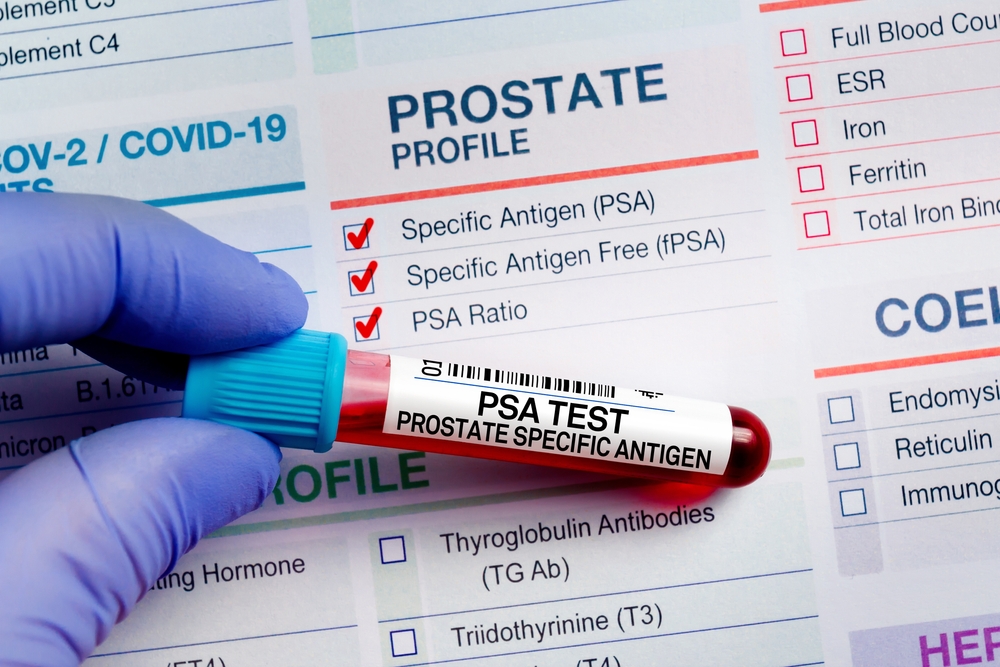
Prostate-Specific Antigen (PSA) Test: The PSA blood test measures the level of PSA, a protein produced by the prostate gland, in the bloodstream. Elevated PSA levels could indicate various prostate conditions, including cancer. However, PSA levels can be influenced by factors other than cancer, and further testing is needed to confirm any issues.

Challenges and Controversies:

Overdiagnosis and Overtreatment: Prostate cancer screening has been a topic of debate due to concerns about overdiagnosis (detecting cancers that may never cause harm) and overtreatment (treating cancers that may not require intervention). Balancing the benefits of early detection with the risks of unnecessary treatment is a challenge.

Individualized Care: Prostate health is not a one-size-fits-all scenario. Factors such as family history, race, and overall health influence an individual’s risk and appropriate screening frequency.

Prostate Cancer Specialist Sydney Adventist Hospital

Maintaining prostate health is an essential aspect of men’s overall well-being. Regular check-ups, adopting a healthy lifestyle, and being aware of potential symptoms are crucial steps to prevent or manage prostate-related conditions. While aging increases the risk of prostate issues, early detection and appropriate medical guidance can significantly improve outcomes. As medical understanding evolves, it’s important for men to stay informed about the latest guidelines and recommendations related to prostate health.

What is a Urologist?

Urologist Wahroonga Clinic.Urologist Chatswood.

Urologist Wahroonga Clinic

Urology is a medical specialty that consults on and treats problems with the bladder, prostate, kidneys and reproduction organs. Urologist surgeons have an additional 5 years of training beyond their general medical degree.

A urologist will treat a range of conditions, including infections on the urinary system, kidney stones, incontinence, pelvic floor issues, compromised sexual functions, and some forms of cancer.

When might I need to consult the Urologist Wahroonga Clinic

You will need to talk to a urologist if you experience any of the following:

• Urination problems, including blood in the urine or an overactive bladder
• Bladder and kidney infections
• Erectile dysfunction
• Enlarged prostate
• Incontinence
• Kidney stones or bladder stones
• Pelvic floor muscle issues
• Cancer of the kidney, bladder or adrenal glands
• Prostate cancer
• Testicular cancer
You quite probably will be referred to the urologist by your general practitioner doctor. This is important for understanding your medical history. Without a referral there will not be any cover by medical insurance, private or Medicare.

What to expect from your first Urologist Wahroonga Clinic appointment

Your medical and surgical history will be important. Be prepared to answer details about these background issues. You will also need to provide information about any allergies or prescription medications.

Be prepared to discuss the symptoms of your illness and your general health. There is no need to feel awkward about these issues; the urologist doctor is very familiar with the conditions and has already discussed similar details with other patients.

Make a list of your conditions before you appointment, and make a note of any questions you might have.

The urologist will carry out a physical exam, that may include a prostate exam, blood tests, urine tests, measuring testosterone levels, and examining kidney function.

Our Urologist Wahroonga Clinic is dedicated to providing the best possible care for all our clients. We find the treatment plan that is best suited to your situation. We arrange public or private hospital treatment or in clinic advice/treatment according to your needs. Some pathology tests or x-ray may be arranged at other facilities.

Urologist Wahroonga Clinic

We treat disorders of the kidneys, bladder, prostate and reproductive system. Consult us, we want the best health for you.