Exploring the Advancements in Surgery: A Look into Robotic Surgery
In recent years, the field of surgery has witnessed remarkable technological advancements, and one of the most notable breakthroughs is the integration of robotics into the surgical process. Robotic surgery has become a revolutionary tool in the hands of skilled surgeons, transforming the landscape of various medical procedures.
Understanding Robotic Surgery
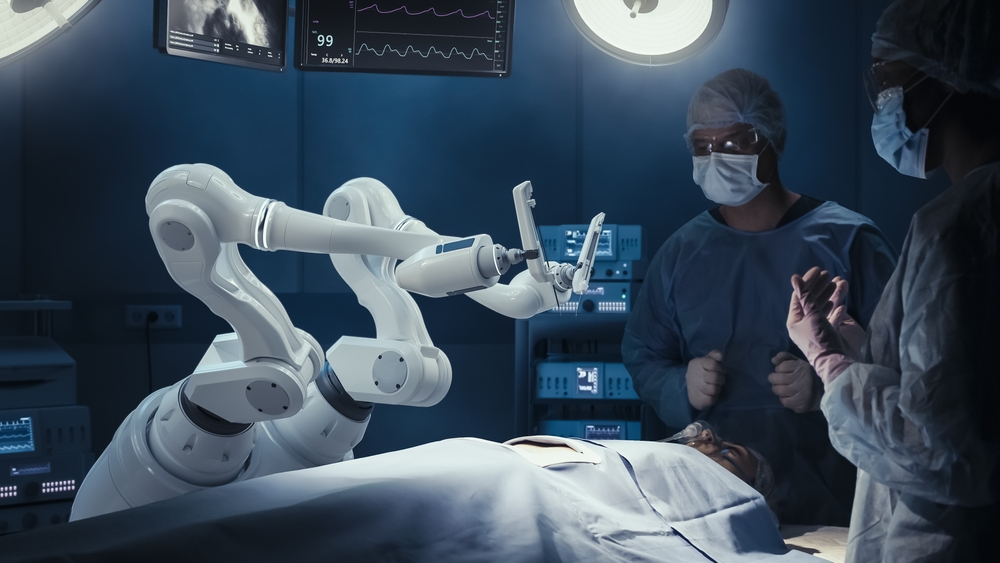
Robotic surgery, also known as robot-assisted surgery, involves the use of robotic systems to assist surgeons in performing intricate procedures with precision. The primary components of a robotic surgical system include a console, robotic arms, and a set of instruments controlled by the surgeon. This technology allows for minimally invasive procedures, where small incisions are made, leading to reduced trauma and faster recovery times.
Applications of Robotic Surgery
Minimally Invasive Procedures
Robotic surgery is particularly advantageous for procedures that traditionally required large incisions. It allows surgeons to perform complex surgeries with smaller, more precise incisions, resulting in less scarring and reduced pain for patients.
Cardiac Surgery
Robotic systems are increasingly being used in cardiac surgeries, including valve repairs and coronary artery bypass surgeries. The precision of robotic instruments enhances the surgeon’s ability to navigate delicate cardiac structures.
Gastrointestinal Surgery
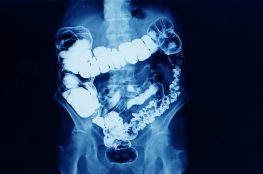
Robotic surgery has found applications in gastrointestinal procedures such as colorectal surgery and gastric bypass. The enhanced dexterity of robotic instruments facilitates intricate manoeuvres in tight spaces.
Urological Surgery
Prostatectomies and kidney surgeries are commonly performed using robotic systems. The robotic arms provide exceptional precision, reducing the risk of damage to surrounding tissues.
Gynaecological Procedures
Robotic surgery is employed in various gynaecological surgeries, including hysterectomies and myomectomies. The minimally invasive approach results in shorter hospital stays and quicker recovery for patients.
Benefits of Robotic Surgery
Precision and Accuracy
The robotic system provides surgeons with a high level of precision and accuracy, allowing for meticulous control during surgery.
Minimally Invasive
The use of smaller incisions reduces trauma to the surrounding tissues, leading to less pain, minimal scarring, and faster recovery times.
Enhanced Visualization
High-definition 3D imaging systems provide surgeons with a detailed and magnified view of the surgical site, aiding in precise navigation.
Reduced Blood Loss
The minimally invasive nature of robotic surgery often results in reduced blood loss during procedures.
Quicker Recovery
Patients undergoing robotic surgery typically experience shorter hospital stays and quicker recovery times compared to traditional open surgeries.
Considerations and Future Developments
While robotic surgery has shown immense promise, it’s essential to acknowledge the associated considerations. These include the initial costs of implementing robotic systems, the need for specialized training for surgeons, and ongoing advancements in technology and safety protocols.
As technology continues to evolve, the future of robotic surgery holds the promise of even more refined instruments, improved haptic feedback, and expanded applications across various surgical specialties. The ongoing collaboration between technology and medical expertise is paving the way for a new era in surgical precision and patient care.
In conclusion, robotic surgery is a transformative tool in modern medicine, offering numerous benefits to both surgeons and patients. As this technology continues to advance, it will likely play an increasingly prominent role in shaping the future of surgical practices, providing new avenues for innovation and improved patient outcomes.
Information Disclaimer
The content of this article is meant for informational purposes only and should not be considered a source of professional advice, recommendations, or endorsements. It is not a substitute for seeking expert guidance or making well-informed decisions based on individual circumstances. Although we strive for accuracy and reliability, we cannot guarantee the information's completeness or suitability for all situations. Readers are urged to verify facts, consult experts, and consider their own context before taking actions or decisions based on this content. No warranties, explicit or implied, are provided regarding the accuracy, timeliness, or completeness of the presented information. Relying on this information is at the reader's own discretion and risk. We encourage readers to consult relevant professionals or experts for advice tailored to their specific needs. Neither the author, publisher, nor any affiliated parties will be held responsible for errors, omissions, or damages resulting from the use or reliance on the information in this article.