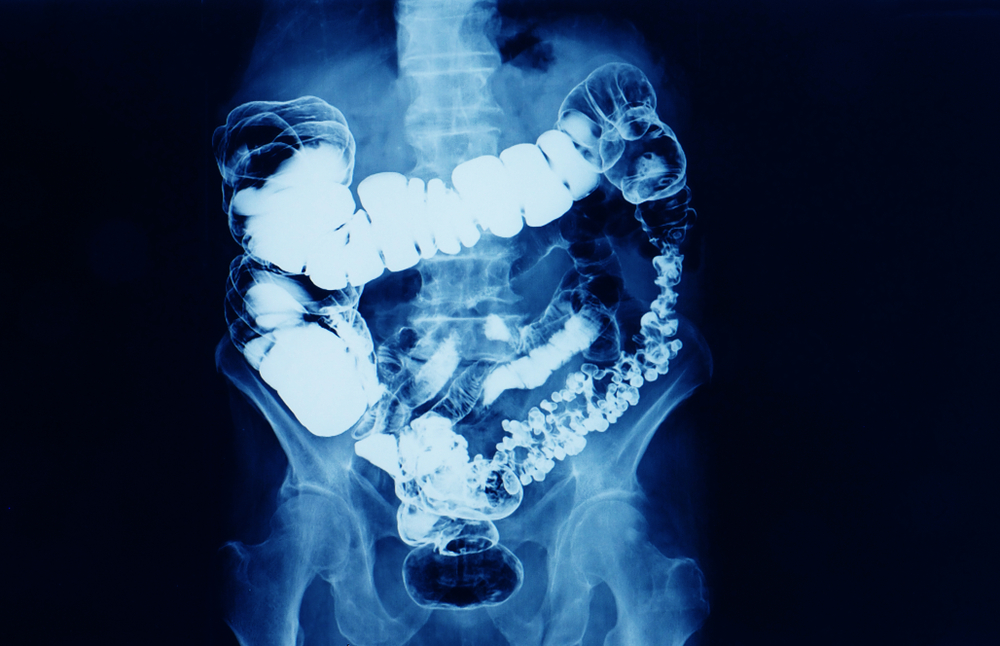
Urological cancers encompass a range of conditions affecting vital organs. A urologist’s role is pivotal in diagnosis, treatment, and ongoing care for patients facing prostate cancer, kidney cancer, bladder cancer, ureteric cancer, adrenal cancer, testicular cancer, and penile cancer. Let’s delve into each condition and shed light on the urologist’s crucial role in managing these cancers.
Prostate Cancer
The most common cancer in men, early detection through screenings is crucial. Treatment options include surgery, radiation, hormone therapy, or active surveillance.
Kidney Cancer
Often detected incidentally, treatment may involve surgery to remove the tumour or the entire kidney. Targeted therapies and immunotherapy are additional options.
Bladder Cancer
Diagnosis involves imaging and cystoscopy. Treatment varies, including surgery, chemotherapy, immunotherapy, or a combination, depending on the cancer’s stage.
Ureteric Cancer
Ureteric cancer, though rare, may require surgery to remove affected portions. Chemotherapy or immunotherapy may be recommended in certain cases.
Adrenal Cancer
Surgery is the primary treatment for adrenal cancer. Additional therapies may be considered based on the cancer’s characteristics.
Testicular Cancer
Rapid diagnosis and treatment are essential. Options include surgery, chemotherapy, and radiation therapy, depending on the cancer’s type and stage.
Penile Cancer
Treatment involves surgery to remove the cancerous tissue. Lymph node dissection or radiation therapy may be recommended based on the cancer’s stage.
The Urologist’s Role
• Early Detection – Conducting screenings and diagnostic tests.
• Treatment Planning – Developing personalized treatment plans.
• Surgery – Performing surgical procedures when necessary.
• Follow-Up Care – Providing ongoing monitoring and support.
How are the Conditions Treated?
Treatment approaches vary, including surgery, radiation therapy, chemotherapy, immunotherapy, and targeted therapies. The urologist collaborates with oncologists to determine the most effective treatment strategy for each patient.
Information Disclaimer
The content of this article is meant for informational purposes only and should not be considered a source of professional advice, recommendations, or endorsements. It is not a substitute for seeking expert guidance or making well-informed decisions based on individual circumstances. Although we strive for accuracy and reliability, we cannot guarantee the information's completeness or suitability for all situations. Readers are urged to verify facts, consult experts, and consider their own context before taking actions or decisions based on this content. No warranties, explicit or implied, are provided regarding the accuracy, timeliness, or completeness of the presented information. Relying on this information is at the reader's own discretion and risk. We encourage readers to consult relevant professionals or experts for advice tailored to their specific needs. Neither the author, publisher, nor any affiliated parties will be held responsible for errors, omissions, or damages resulting from the use or reliance on the information in this article.